I. Upgrading the Printing Industry Amid Environmental Pressures
Driven by both the “Dual Carbon” strategy and growing consumer environmental awareness, sustainability has long transcended the realm of corporate social responsibility and now directly determines whether printing companies can break into high-end markets—particularly in demanding sectors such as food and pharmaceutical packaging. For printing companies with a long-term vision, proactively embracingGreen Smart Manufacturing, is the key to building long-term competitive barriersHard Power。
1. A Revolution in Inks and Materials
VOC (volatile organic compound) emissions from traditional petroleum-based inks are a major challenge for the industry. Currently, the market is accelerating its shift towardPlant-based inks, water-based inks, and UV-LED inksIteration. For example, vegetable-based inks with a high bio-based content significantly reduce the carbon footprint while maintaining color and gloss. For projects thatProduct Labels和Colorful Boxes and Gift BoxesFor manufacturers receiving orders, using eco-friendly, mineral-oil-free ink is the key to gaining access to brand owners’ supply chains.
2. Environmental Benefits of UV Printing and Specialty Processes
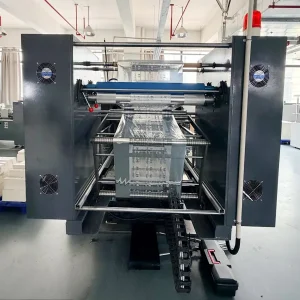
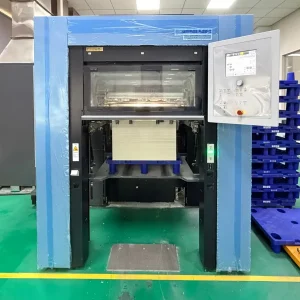
UV Printing PressDue to its instant curing and solvent-free properties, this ink is widely used in high-end packaging and specialty printing applications. When combined withFully Automatic Hot Stamping and LaminatingCompared to subsequent production processes, UV printing not only achieves striking visual effects such as a metallic finish and a frosted look, but also generates far less solid waste than traditional solvent-based processes. This not only meets brand owners’ requirements for product aesthetics but also complies with the mandatory green procurement regulations set by government agencies and enterprises.
II. Building Green Competitiveness Through End-to-End Process Control
Green smart manufacturing is not merely about switching to eco-friendly consumables; it is a comprehensive system of standards covering the entire production process.
1. Standardized Production Control System
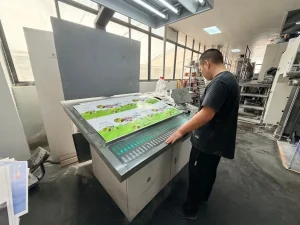
By strictly enforcingGreen Printing CertificationAccording to the standard, factories must establish a system fromProofreading, Test Printing, and Process Monitoring到Random Sampling of Finished ProductsA full-process quality control system. By introducing a closed-loop color calibration system and using data to drive the printing press to accurately reproduce colors, we can effectively reduce paper and ink waste caused by inaccurate color matching. This lean production management approach is, in itself, the most efficient means of reducing emissions.
2. Environmental Considerations in the Post-Press Process
Post-press processing also holds potential for environmental protection. InLaminationDuring the production process, biodegradable water-based laminating adhesive is used in place of traditional solvent-based adhesive; inDie-cutting, Box GluingDuring the process, paper utilization is improved by optimizing layout. These seemingly minor improvements add up to significant environmental benefits and are also an effective way for the factory to reduce overall costs.
III. Quality First: Building Long-Term, Trust-Based Supply Relationships
Practicing green smart manufacturing is not only a matter of social responsibility but also a highly visionary business strategy. For a comprehensive printing manufacturer with standardized production facilities and a full suite of modern equipment, environmental sustainability is itsHigh value for money, high efficiency, and high reliabilityA strong endorsement of our service commitment. By adhering to the use of eco-friendly ink materials and continuously improvingCutting Accuracy与Binding Quality...The printing plant ensures that every batch of products consistently meets standards, thereby earning the long-term trust of numerous small and medium-sized enterprises, retail chains, and government agencies and public institutions amid fierce market competition, and becoming a trusted partner for its customers.High-quality suppliers with whom we have long-term, stable partnerships. In the future, as intelligent production equipment continues to be upgraded, environmental protection and economic efficiency will be more closely integrated.
 简体中文
简体中文  English
  Русский